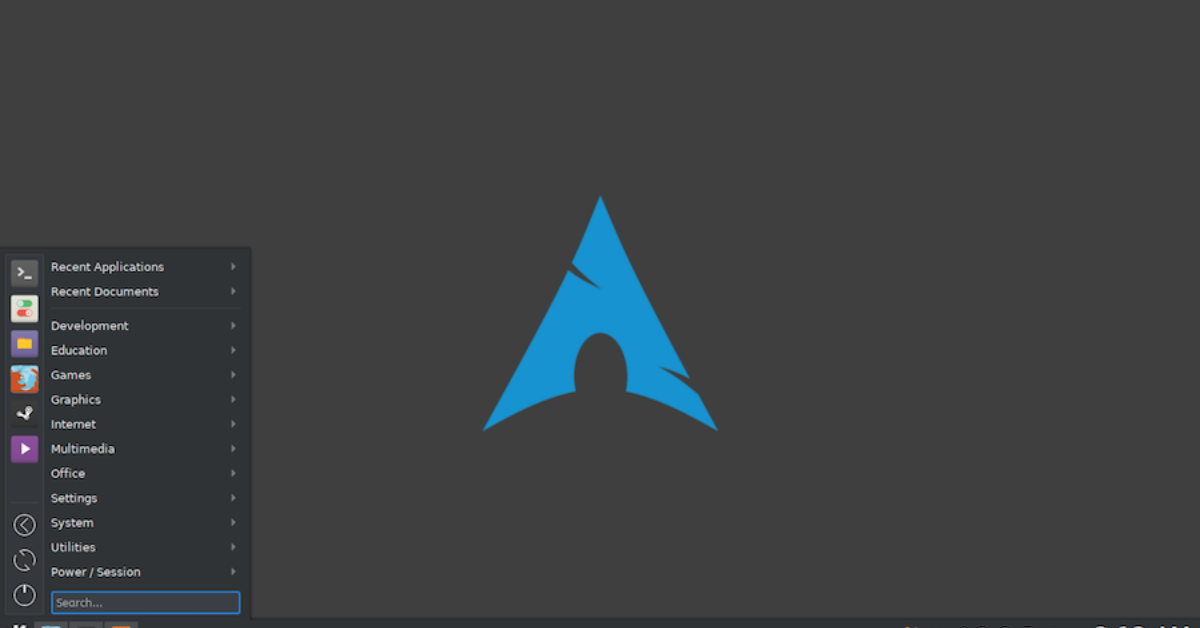
Arch Linux is a lightweight and flexible Linux distribution designed for users who want complete control over their operating system. Unlike many beginner-friendly distributions, Arch focuses on simplicity, customization, and a do-it-yourself approach. Users build their systems step by step, choosing only the components they need.
The popularity of Arch Linux continues to grow among developers, system administrators, and Linux enthusiasts. Its rolling release model ensures that users always receive the latest software updates without reinstalling the system. Understanding its structure and philosophy helps users appreciate why Arch has become one of the most respected Linux distributions.
Table of Contents
Core Overview
Arch Linux Quick Overview
| Feature | Description |
|---|---|
| Distribution Type | Independent Linux distribution |
| Release Model | Rolling release |
| Package Manager | Pacman |
| Target Users | Advanced Linux users and developers |
| Installation Style | Manual command-line installation |
| Philosophy | Simplicity, minimalism, user control |
| Community Support | Strong global community and documentation |
Arch Linux is maintained by a community of developers who emphasize simplicity and transparency. Instead of including unnecessary software by default, the distribution provides a minimal base system that users expand according to their needs.
Customization capability stands as one of its strongest advantages. Users decide which desktop environment, applications, and services they want, resulting in a system that runs efficiently without unnecessary background processes.
System Philosophy
Arch Linux follows a clear design philosophy that shapes how the system works and evolves.
- Simplicity First: Arch avoids unnecessary abstraction layers. Configuration files and system processes remain transparent, so users understand how everything works internally.
- User Centrality: Control of the system always remains with the user. Rather than automating every task, Arch encourages users to configure the system manually.
- Minimal Base System: Installation begins with only essential components. Users then add packages and services according to their needs.
- Transparency Focus: System configuration files remain easy to locate and modify, making troubleshooting and customization straightforward.
Adherence to these principles ensures that Arch remains clean, efficient, and adaptable. Users who enjoy learning how Linux works often prefer Arch because it exposes the system’s internal structure rather than hiding it.
Installation Process
Installing Arch Linux differs significantly from beginner-focused distributions. Instead of graphical installers, Arch uses a command-line environment that guides users through manual configuration.
Installation begins by booting from the official Arch installation image. Users then create disk partitions, format them, and mount them before installing the base system. Network configuration and bootloader setup follow afterward.
During the installation, the package manager Pacman installs the base packages required to run the system. Once the core system is installed, users configure time zones, language settings, and system services.
Although the process can appear complex at first, detailed documentation from the Arch Linux community makes the installation manageable. Many users even consider the setup process a learning experience that helps them understand Linux internals more deeply.
Package Management
- Pacman Manager: Arch Linux uses the package manager Pacman to install, remove, and update software packages quickly.
- Repository System: Official repositories contain thousands of applications, including development tools, libraries, and desktop environments.
- AUR Repository: The Arch User Repository allows community members to contribute build scripts for software not included in official repositories.
- Rolling Updates: Instead of periodic version releases, Arch continuously provides the newest software versions through updates.
Package management efficiency remains one of Arch Linux’s strongest aspects. With a single command, users can update the entire system, including installed applications and system libraries.
Community-driven repositories further expand the ecosystem. Many experimental tools and niche software packages become available through the Arch User Repository, making Arch one of the most flexible Linux environments available.
Desktop Environments
Arch Linux does not ship with a preinstalled graphical desktop. Users select and install their preferred desktop environment after completing the base installation.
Popular options include GNOME, KDE Plasma, and XFCE. Each environment offers different features, resource usage, and visual styles.
GNOME provides a modern and polished interface designed for simplicity and productivity. KDE Plasma offers a highly customizable experience with advanced features and visual effects. XFCE focuses on speed and efficiency, making it ideal for older hardware or lightweight setups.
Because Arch allows full customization, users can also combine lightweight window managers such as i3 Window Manager with minimal graphical components. This flexibility allows users to design an interface that perfectly matches their workflow.
Community Support
The strength of Arch Linux lies not only in its software but also in its community. Documentation quality remains one of the most respected aspects of the project.
The Arch Wiki provides detailed guides covering installation, troubleshooting, configuration, and advanced system administration topics. Even users of other Linux distributions often consult the wiki for technical solutions.
Community forums and discussion platforms provide additional help for new users. Experienced members frequently contribute tutorials, scripts, and troubleshooting advice that benefit the entire ecosystem.
Collaboration culture within the community ensures continuous improvement of documentation and software packages. This cooperative approach keeps the Arch ecosystem active and constantly evolving.
Future Prospects
Arch Linux continues to maintain its reputation as one of the most flexible and educational Linux distributions available. As open-source development grows globally, interest in customizable operating systems is expected to increase.
Adoption of Arch-based distributions such as Manjaro Linux and EndeavourOS has also helped introduce more users to the Arch ecosystem. These distributions simplify installation while preserving Arch’s rolling release model.
Continuous software updates, strong documentation, and a dedicated community ensure that Arch Linux will remain a powerful choice for advanced users. Individuals interested in learning how Linux systems truly work often find Arch to be one of the most rewarding platforms to explore.