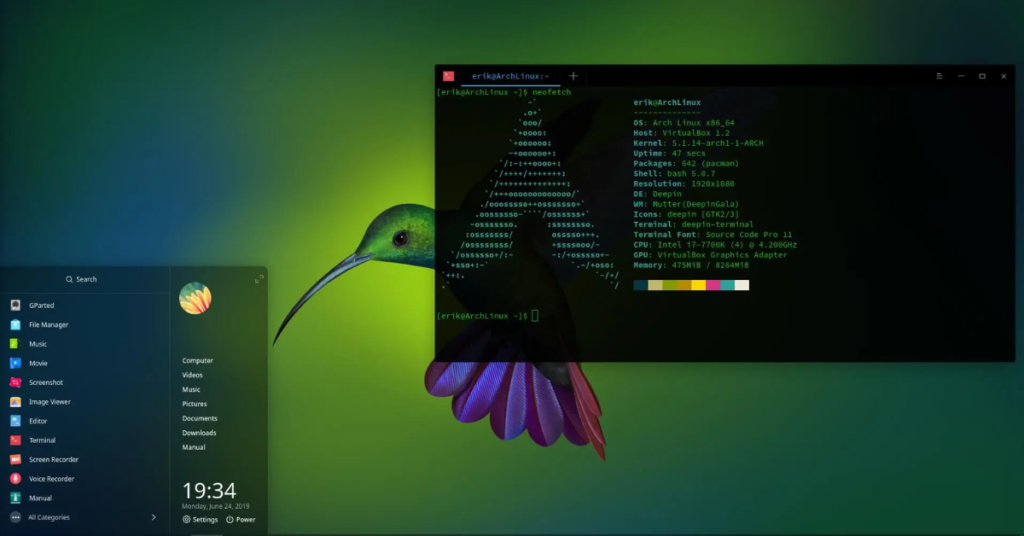
Arch Linux is widely known for its rolling-release model, flexibility, and minimal base system, making it popular among enthusiasts and developers. But when it comes to business environments, questions often arise about security, stability, and maintainability. Unlike enterprise distributions such as Red Hat Enterprise Linux (RHEL) or Ubuntu LTS, Arch Linux does not offer official long-term support, certified packages, or corporate-level security audits.
This guide examines whether Arch Linux is suitable for business use in 2026, analyzing security strengths, potential risks, and best practices for professional deployments.
Table of Contents
Security Overview
Arch Linux Business Security Snapshot
| Aspect | Details |
|---|---|
| Update Model | Rolling-release; frequent updates deliver latest security patches |
| User Control | Full control over installed software and configurations |
| Official Support | Community-based; no enterprise-level support |
| Auditing & Compliance | Requires self-managed tools for compliance and logging |
| Ideal Use Cases | Tech-savvy teams, developers, and businesses with Linux expertise |
Arch Linux’s security depends largely on proactive administration rather than official vendor guarantees.
Strengths of Arch Linux Security
1. Rolling Updates and Timely Patches
- Security patches are applied immediately via Pacman.
- Kernel and libraries are always current, reducing exposure to known vulnerabilities.
- Users can configure unattended updates for critical packages, improving responsiveness.
This proactive patching model is a strength for businesses that want rapid mitigation of vulnerabilities.
2. Minimal Base System
- Arch Linux installs only what you explicitly choose, avoiding unnecessary services.
- Reduced attack surface means fewer potential entry points for attackers.
- Administrators can implement strict firewall rules, service hardening, and SELinux/AppArmor policies as needed.
A minimal system is ideal for businesses that require tailored, secure server environments.
3. Transparency and Control
- Businesses have full access to configuration files, package builds, and system logs.
- Custom security policies can be applied without vendor restrictions.
- Integration with security tools like fail2ban, auditd, Lynis, and ClamAV is straightforward.
This level of control ensures that businesses can implement their own security protocols.
Risks and Challenges
1. Stability Concerns
- Rolling releases may occasionally introduce package conflicts or broken dependencies.
- Unstable updates can affect mission-critical services, requiring advanced troubleshooting.
- Businesses must have experienced system administrators to mitigate these risks.
Unlike LTS distributions, Arch requires active oversight and testing before applying updates in production environments.
2. Lack of Official Enterprise Support
- Arch Linux is community-supported, without official SLAs or corporate support.
- No vendor certification for compliance frameworks such as ISO 27001, HIPAA, or PCI-DSS.
- Businesses must rely on internal expertise or third-party consultants for audits and troubleshooting.
This is a major consideration for enterprises requiring regulated compliance and official support channels.
3. Dependency on Expertise
- Running Arch securely in a business context requires knowledgeable Linux administrators.
- Misconfigured services, outdated backups, or improper update management can lead to data breaches or downtime.
- A strong backup and monitoring strategy is critical to minimize risk.
Arch Linux is best suited for organizations that can dedicate technical resources to maintain system integrity.
Best Practices for Businesses
- Use LTS kernels for critical servers to reduce hardware and driver issues.
- Regular backups and snapshots with tools like Timeshift, Restic, or Borg.
- Isolate production systems from development or experimental setups to avoid accidental breakages.
- Implement firewall and intrusion detection systems (e.g., UFW, fail2ban).
- Document configuration and update procedures to ensure continuity.
- Test updates in virtual machines or staging environments before production deployment.
These practices reduce risk while leveraging Arch Linux’s flexibility and security advantages.
Final Thoughts
Arch Linux can be secure for business use, but only if organizations have the technical expertise, update discipline, and robust monitoring in place. Its rolling-release model, minimal system design, and transparency offer advantages for proactive security management.
However, businesses that require certified compliance, official vendor support, or guaranteed stability may find LTS distributions like RHEL, Ubuntu LTS, or SUSE Linux Enterprise more suitable.
In summary, Arch Linux is ideal for tech-savvy teams, developers, or startups who value control and flexibility. With the right policies, tools, and monitoring, it can form a secure, efficient, and modern business infrastructure while taking full advantage of its rolling-release advantages.